How GIPA Impacts Government Use of Biometric Data
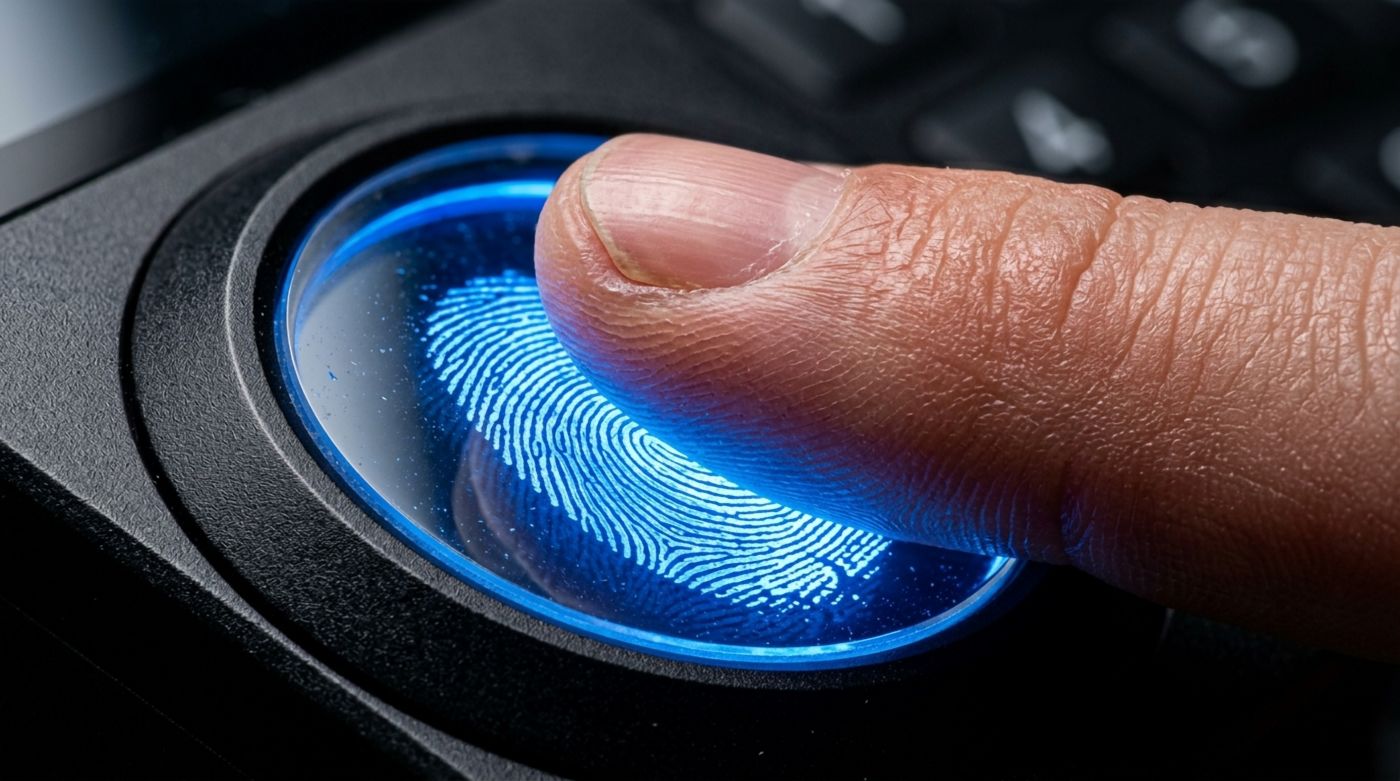
You punch in for work, scan your fingerprint to enter a secure facility, or submit to a quick facial scan at a regional public transit hub. While these technological advancements promise convenience and heightened security, they also raise serious questions about privacy, identity theft, and personal liberty.
Your biometric markers—fingerprints, iris scans, voiceprints, and facial geometry—are unique to you. Unlike a compromised password or stolen Social Security number, you can't simply replace your fingerprints or facial features if a data breach occurs.
Government agencies and public employers increasingly collect biometric information under the banner of security, streamlining operations, and timekeeping. However, public oversight must match technological expansion.
That's why statutes such as the Genetic Information Privacy Act (GIPA) provide protections concerning genetic information and genetic testing, while other laws may regulate biometric information. If you work in the public sector or interact with government-funded infrastructure, you need to know which privacy laws apply to the particular entity and type of information being collected.
At Simon Law Co., I help employees and residents understand the statutory standards surrounding workplace surveillance and biometric collection practices. Although my firm is located in Chagrin Falls, Ohio, I can assist with GIPA-related matters because I work with a national team of employment lawyers. Reach out today to schedule a free consultation and discuss your rights.
Biological privacy laws were enacted to establish statutory boundaries around the collection and use of sensitive biological information. When government bodies gather genetic or biometric information, the legal rules that apply depend on the type of information collected, the entity collecting it, and the purpose of the collection.
GIPA establishes restrictions on the collection, use, disclosure, and employment-related uses of genetic testing information. Governments often attempt to streamline administrative tasks by requiring facial recognition check-ins or biometric time clocks for public employees.
However, a government biometric-collection program may also raise constitutional privacy questions. I can evaluate whether an agency's data collection policy complies with state standards or violates statutory worker protections.
Mandatory informed consent: Certain private entities collecting biometric identifiers must provide specified written disclosures and obtain a written release that explains why your biological markers are being collected.
Strict retention limits: Certain private entities must establish a publicly available retention schedule and destruction guidelines for biometric identifiers and biometric information.
Prohibition on commercial monetization: Covered private entities are prohibited from selling, leasing, trading, or otherwise profiting from biometric identifiers or biometric information.
Enhanced data security protocols: Public employers must protect stored genetic and biometric records using encryption standards that meet or exceed applicable administrative data security standards.
These core principles exist to make sure that public efficiency never overrides fundamental personal privacy. When agencies fail to strictly follow statutory disclosure guidelines, affected individuals have strong legal remedies under applicable state law. Contact me today to learn more about your rights and discuss your case.
Public sector workplaces have rapidly adopted biological time tracking to monitor hours, prevent time fraud, and manage facility access. While administrative efficiency is a valid goal, requiring you to submit biological data without complying with applicable statutory requirements may violate your employment rights.
Many public employees don't realize that workplace monitoring must adhere to strict statutory guidelines, regardless of governmental duty. If you're required to provide hand scans or facial data, or undergo genetic screening, as a condition of public employment, you're entitled to transparent policies.
Mandatory written disclosures: Employers must explain the precise operational purpose of biometric time clocks and how long the collected data will be stored before requiring employees to scan in.
Waiver requirements for workers: Public workers can't be subjected to biometric tracking without signing a compliant, voluntary release form.
Protection against retaliatory action: Public sector employees who assert their statutory privacy rights or question improper collection methods are legally protected from termination or disciplinary measures.
When public institutions treat biological privacy as optional, you face real risks of exposure and workplace discrimination. I can help assess whether your employer is complying with applicable statutory requirements and pursue available remedies when appropriate.
Collecting biological markers is only the first step in an administrative chain; holding and processing that data creates ongoing legal duties. Unlike standard administrative files, compromised biological data can create lifelong security risks for affected citizens and public employees.
GIPA imposes requirements concerning genetic information on covered entities, including governmental entities in circumstances covered by the Act. Other biometric requirements depend on the entity and type of biometric information involved. Government agencies frequently partner with third-party software vendors to process biometric timecards, manage security gates, or host digital health databases.
When those vendors suffer security breaches or share biological data without authorization, the entity collecting the data may also face legal consequences. I can help you challenge improper data sharing and pursue statutory damages when public entities mishandle sensitive records.
Government use of biometric data presents evolving challenges for privacy, dignity, and basic worker protections. Your physical traits belong to you, not to government databases or public workplace monitoring software. When public employers overstep statutory bounds by collecting, storing, or sharing your biological information without consent, you don't have to face the challenge alone.
Although GIPA is an Illinois statute, I can assist with GIPA matters from my Chagrin Falls, Ohio, practice with the support of a national team of employment lawyers. At Simon Law Co., I handle class action employment lawsuits across the United States. This experience allows me to address employment-related legal issues that may cross state lines and involve workers in multiple jurisdictions.
I’m dedicated to standing up for employees and citizens whose statutory privacy rights have been violated and providing personalized, assertive legal representation every step of the way. Contact me, Attorney James Simon, to schedule a free consultation.